How to Store Perfume? The Golden Rule to Preserve Fragrance and Longevity
Your perfume is your intimate ally. You chose it, and the alchemy took place between the fragrance and your skin. Just like you, perfume is complex, evolving, and changes over time. To preserve its olfactory qualities and extend its lifespan, it is essential to take care of it.
1. The 3 Enemies of Perfume: Light, Heat, and Air
A perfume is a complex and fragile product, composed of natural and synthetic raw materials. The precious rule for preserving it is simple: perfume must be kept away from light, heat, and air.
Where to Place Your Bottle? (The Ideal Spot)
The bathroom is a hostile environment for storing your perfume. Exposed to heat, daylight, and spotlights, it deteriorates. The more air there is in the bottle (if it has been started), the more the perfume will change.
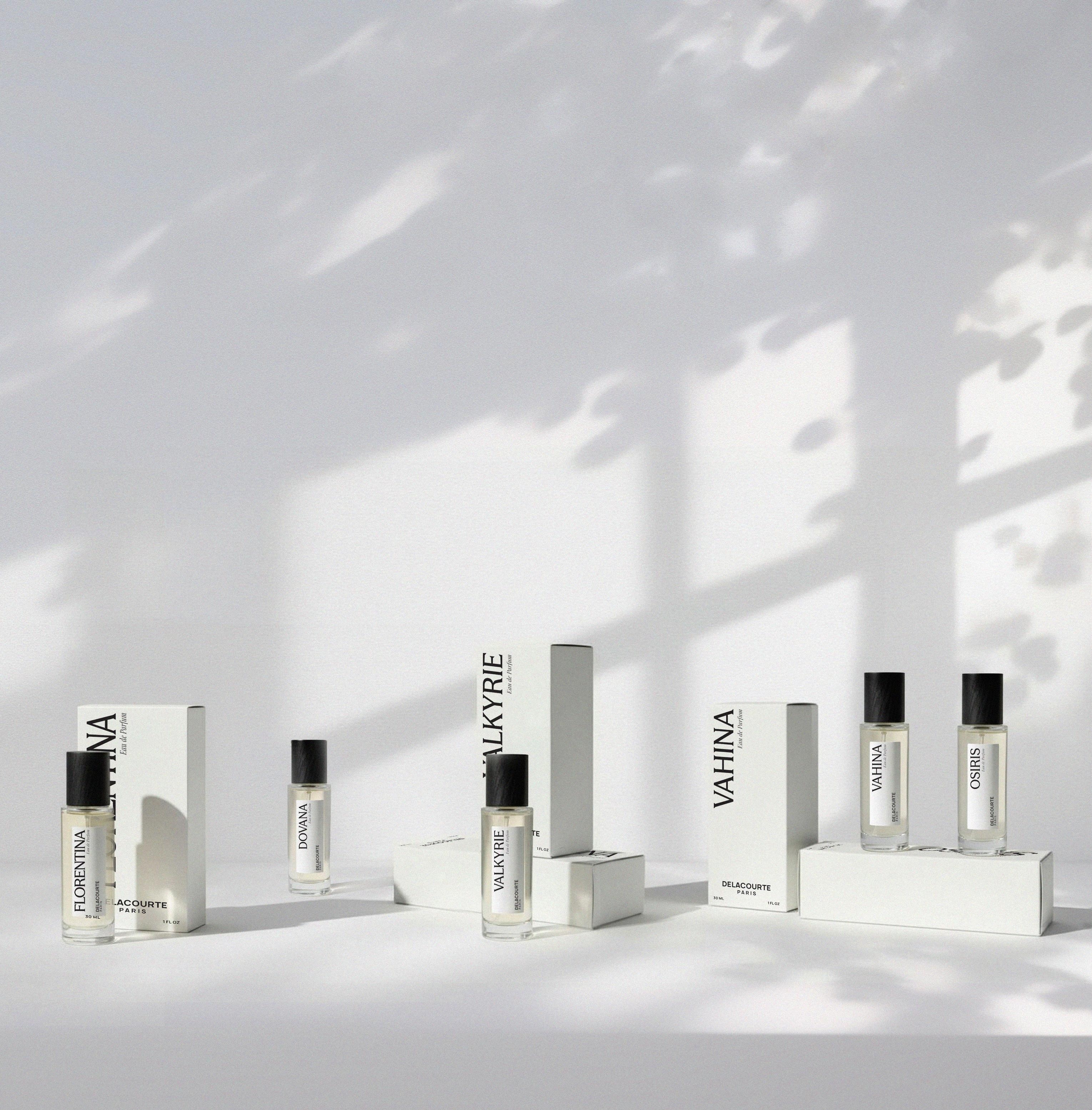
- Ideal Location: Perfumes love coolness. Keep it in its original packaging, placed for example in a non-humid cellar or your bedroom (your coolest and darkest room).
- To Avoid: Never place your perfume near a radiator or any other heat source. Avoid sudden temperature changes.
- Opened Bottles: If started, it is best to use it within the current year.
2. Shelf Life and Expiration Date
For a perfume, there is no clear expiration date on the packaging. In general, legal coverage indicates a shelf life of 36 months.
- Average Duration: A perfume keeps for 1 to 2 years after opening.
- Vintage Exceptions: Some masterpieces (great classics and vintages like Shalimar or L’Heure Bleue by Guerlain) can improve with time, but this is rare.
Signs of Alteration and Fragile Materials
If the scent can be modified, the color can too (it may darken or yellow, without the aromas being totally lost).
- Fragile Perfumes: Fresh perfumes (citrus, aromatic, Eaux de Cologne) deteriorate faster than oriental and leathery perfumes.
- Specific Risks: Chypre perfumes based on mosses or patchouli, when too old, can give off a plastic smell. White flowers tend to darken, especially if associated with vanilla.
For perfumes you have had for a long time, try it first on a paper strip before spraying it on yourself, just to be safe. The only rule is to trust your nose.
3. Frequency of Use and Practical Tips
Duration of a Bottle (100 ml)
The average usage for a 100 ml bottle is 2 to 3 bottles per year. This depends on the power of the fragrance and how heavy-handed you are. Obviously, an Eau de Cologne will be used up faster than a powerful woody or oriental perfume.
For those who use several perfumes or change often, favor smaller bottles (maximum 100 ml).
Tips for Extrait (Pure Perfume) and Travel
- Extrait de Parfum: If you apply it with the integrated stopper/wand, it comes into contact with your skin, introducing impurities into the bottle. Therefore, apply your extract before putting on makeup or with clean fingers to minimize contamination.
- Travel: Prioritize spray bottles when traveling and pay attention to the cap. Avoid bottles with bulb atomizers, as they are not airtight and risk leaking.
- Collection: For collector’s items, it is important to keep the packaging, as the value could decrease upon resale (same for prestige bottles and samples).