Neroli in Perfumery: The Fresh Essence of the Bitter Orange Tree
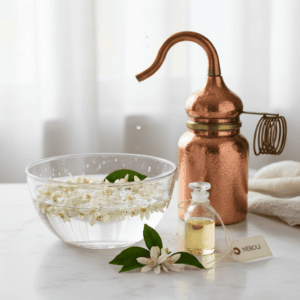
Neroli is the name given to the essential oil obtained by steam distillation from the orange blossom harvested from the tree that produces bitter oranges, the bigarade or bitter orange tree.
History and Legend
Its name, neroli, refers to Marie de Tremoille-Noirmoutiers, wife of Orsini, Duchess of Bracciano, Princess of Chalais and of Neroli, who had fallen deeply in love with orange blossom and particularly with its freshness.
Hence the association of her sobriquet, the Princess of La Nerola, with her treasured product, Neroli. This Italian princess was besotted with neroli; she perfumed her bath, her garments, her gloves and her palace with this precious essence.
Origin and the Bitter Orange Tree: A Tree of a Thousand Facets
Neroli comes from the bitter orange tree (bigaradier). The bitter orange tree is a most inspiring tree; every part of it may be exploited, and therefore all of its facets. Countries of origin: Italy, Spain, Morocco, Tunisia.
Products Derived from the Flower:
- Neroli (distillation)
- Orange blossom water (distillation)
- Orange blossom absolute (extraction)
Other Products from the Bitter Orange Tree:
- Petitgrain: the product of the distillation of twigs and leaves
- Bitter orange essence: obtained from the zest of the bitter orange (cold expression)
Extraction and Differences (Neroli vs Absolute)
The bitter orange tree (Citrus aurantium) is greatly prized by perfumers for its versatility and olfactory richness. Ordinarily, white flowers cannot withstand steam distillation. Orange blossom is the sole exception.
- Neroli: Obtained by steam distillation. It is fresh, airy, with a lavender-like and floral character.
- Orange Blossom Absolute: Obtained by extraction with volatile solvents. It is the richest and most rounded product, most commonly serving as a heart note.
There also exists a little-known product, eau de brout, which is the water recovered from the distillation of petitgrain. Its scent possesses floral notes with subtle animalic facets.
Olfactory Description of Neroli
Neroli, along with petitgrain, is one of the freshest fragrances among the orange blossom notes. It is fresh, floral, sparkling, and possesses a lavender-like and green facet. It also brings great tenderness to a composition, as it echoes many perfumed products or eaux de toilette for babies and children.
It is most commonly paired with hesperidic fragrances and eaux de Cologne. It is not uncommon to find it in the top notes of fresh floral scents. It acts as a counterpoint to the absolute, lightening it.
Price and Yield
To obtain one litre of orange blossom water, one kilogramme of flowers is required. For one kilogramme of neroli, a full tonne is needed, which makes it an exceedingly costly ingredient.
Benefits in Aromatherapy
Thanks to its recognised benefits in aromatherapy, orange blossom relaxes, reassures and inspires positive thoughts.
Perfumes Containing Neroli
Here is a list of several creations featuring neroli:
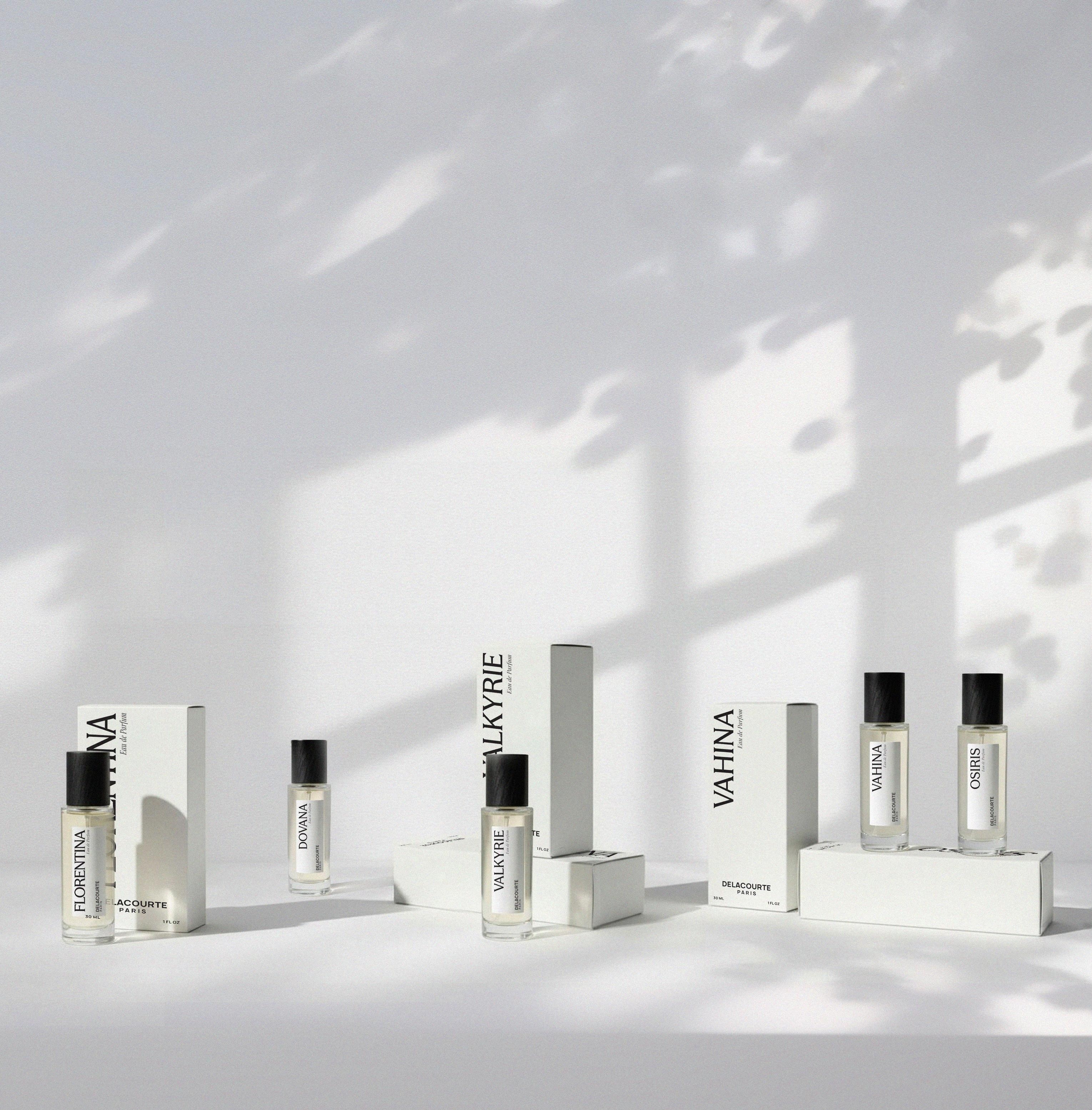
- Osiris by Delacourte Paris
- Fleurs de citronnier by Serge Lutens
- Fleur d’oranger by Serge Lutens
- Histoire d’Oranger by L’Artisan Parfumeur
- La Chasse aux Papillons by L’Artisan Parfumeur
- Neroli by Goutal
- L’Eau d’Hadrien by Goutal
- Cologne by Thierry Mugler
- Infusion de Fleur d’Oranger by Prada
- Neroli Portofino by Tom Ford
- Cologne Bigarade by Editions de Parfums Frederic Malle
- Neroli 3 by Le Labo
- Eau d’Orange Verte by Hermes
- Fleur d’Oranger by Molinard