Eau de Parfum: Definition, Sillage, and Differences with Eau de Toilette
Different kinds of fragrances exist in perfumery, among which are Eau de Toilette, Eau de Cologne, Scented Water (Eau de Senteur), Eau Fraîche, and Perfume Extract (Extrait de Parfum). Each one distinguishes itself by its more or less significant concentration, as well as its tenacity. Here are some notions concerning Eau de Parfum.
What is Eau de Parfum?
Eau de Parfum, also called “Parfum de Toilette,” or “Esprit de Parfum,” includes 7 to 20% of concentrate, in 90% vol. alcohol. Its particularity is to create a remarkable sillage on the person wearing it. It is therefore a good compromise between Perfume Extract, which is very expensive and very concentrated, and Eau de Toilette, which is often too volatile.
The Origin of the Word “Perfume”
The word “perfume” comes from the Latin per fumum, which means “through smoke”. Indeed, priests who formerly entrusted their prayers and incantations to the gods had the habit of burning precious woods, incense, resins, and other expensive substances. The smoke thus produced was very odoriferous and is said to be the origin of the word “perfume”.
How to Apply Your Eau de Parfum?
Generally applied on clothes (except on fragile materials like silk, on light-colored fabrics, or on non-noble materials), Eau de Parfum can also be sprayed on the skin. The product will thus unite with your epidermis in a mysterious alchemy, exhaling a fragrance that will belong only to you.
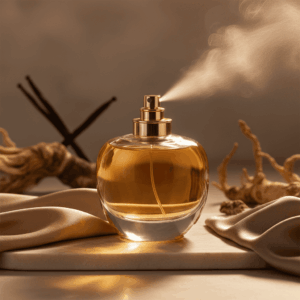
The Triangle Trick: For your sillage to be perfect, spray your Eau de Parfum by tracing a triangle in the air: spray your hair (from a distance so as not to damage it), then the inside of your jacket or coat, and finish down to the hem. This way, you will be assured of being perfumed for the whole day.
You can also spray a cloud of your Eau de Parfum in front of you and walk into this cloud after a few seconds. Thus, your fragile clothes or jewelry will not risk being damaged.
To Prolong the Hold: Do not forget all body care derivatives (body lotion, soaps, deodorants…) which can offer longer tenacity to the fragrance. If you wish to sublimate your sillage even more, you can pour a few drops of your Eau de Parfum into the rinse water of your washing machine.
Comparison: Other Products in Perfumery
In perfumery, alcohol concentration varies. There are no strict laws, but here are the usages:
- Perfume Extract (20% to 40%): it is only perceived by the person wearing it and by those who are closest.
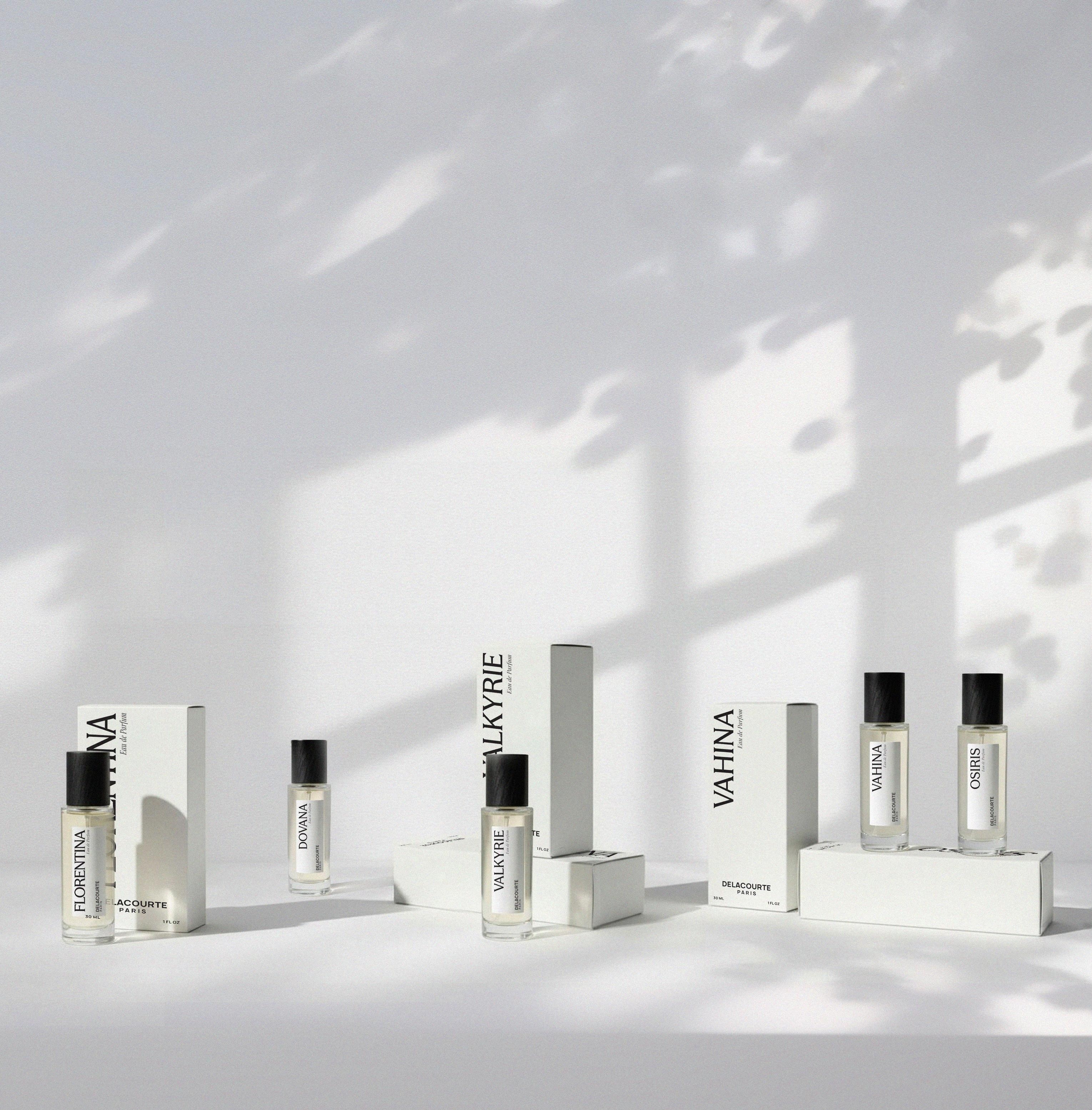
- Eau de Parfum (7% to 30%): it is a good compromise because it combines tenacity and sillage. Delacourte Paris perfumes are orchestrated as Eaux de Parfum (min. 15% concentration).
- Eau de Toilette (6% to 20%): more extroverted, it will be perceived by people in your wake; it is often less tenacious than Eau de Parfum.
Moreover, each kind of fragrance will be orchestrated differently. Perfumers usually say that Eaux de Parfum are generally denser in “living” natural raw materials than Eaux de Toilette.
Why Does Each Fragrance Change According to the Skin?
Over the hours, the base note (which fixes the perfume) literally mingles with the personal scent of each skin: the magic and richness of the concentrate thus operate.
Each skin is unique (pH, physical activity, diet). Furthermore, the scent of a perfume will be influenced by external factors (climate, humidity). If your fragrance is not sublimated on your skin, try a different Eau de Parfum, until you find the fragrance that will elicit compliments.
Regulations for Eau de Parfum
You will notice that each product has very variable concentrations. Indeed, there are no strict regulations. The level of tenacity and the quality of the sillage will be proof that the perfume has been perfectly orchestrated by the perfumer.
A very concentrated fragrance may last longer, but it is above all the orchestration of the different scents that will determine the quality of its hold.
The Role of Eau de Parfum and Olfactory Heritage
An Eau de Parfum reflects personality. A perfume must be in harmony with you because it reveals the message you are going to transmit to others. An Eau de Parfum is much more than a simple interchangeable coating: it is the reflection of your soul.
Pleasant smells encountered in your existence (your olfactory heritage) hold a crucial place in the choice of your Eau de Parfum. They are the ones that will forge your identity and guide you unconsciously towards a style of perfume.
Conclusion
Eau de Parfum is an excellent compromise between Eau de Toilette and Perfume Extract, and allows offering a very good sillage at a reasonable price. If composed with many natural materials, your Eau de Parfum will create a unique alchemy with your skin.