Grasse: Guide to the World Capital of Perfume
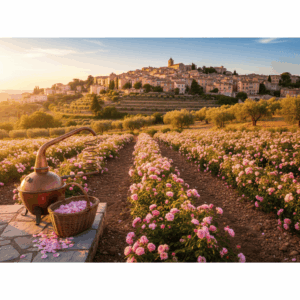
Grasse is a city that possesses a wonderful heritage. Grasse makes one dream because it enchants with its fields of flowers. But do you know that raw materials shipped from all over the world are also processed there?
Do you also know that Grasse counts about thirty perfume factories, numerous perfumeries, a perfume museum, and a perfumery school? Here is a guide to the main information to remember about this city.
The History of Grasse: From Tanners to Perfumers
Grasse is a city on the French Riviera located on the hills north of Cannes, which provides an ideal setting for perfume plants, combining warmth with a little freshness, thanks to the altitude.
It was in the Middle Ages that Grasse began its history; this city specialized in tanning. At that time, perfumes and leather working were closely linked.
While the fashion for perfumed leathers was introduced during the Renaissance, its success continued into the 17th century. All leather objects, such as gloves, belts, or shoes, had terrible scents because the leather was poorly tanned.
Wigs and handkerchiefs were also perfumed, coated with a scented grease. The royal authorization to be named both master glover and perfumer was granted as early as January 1614.
The Rise of Floral Cultivation
Catherine de Medici, in the 16th century, launched the perfume fashion in Paris and contributed to the rise of the city of Grasse, which became the world capital of perfume. At the end of the 17th century, the area of jasmine cultivated around the city of Grasse was estimated at about fifteen hectares.
The distillation process improved. Grasse specialized in the production of perfumed gloves. One could macerate leather gloves for a week in tuberose, jasmine, or orange blossom. In this region, plant cultivation flourished. The city forged commercial links with Genoa and Spain.
With the invention of the printing press, numerous works provided recipes for floral waters and other ambient perfumes, dry perfumes for pomanders.
All leathers were perfumed, and each noble family had its olfactory signature created by their appointed perfumer.
Grasse subsequently sold many of its plots of land intended for perfumery in favor of real estate deemed more lucrative, but for about 10 years, we can note a resurgence of young entrepreneurs who are reviving certain crops that had disappeared, such as the Association des Fleurs d’Exception Du Pays de Grasse.
Perfume Houses in Grasse
Names Known to Tourists (Visits Possible)
These companies are mostly known by many because they open their factories, museums, and shops to sell their own products:
- Galimard
- Molinard
- Fragonard
Professional Factories (No Visits)
These international houses or companies have a reputation for seriousness; alas, one cannot visit their production facilities or establishments. Visits are reserved solely for professionals in the perfumery industry.
They produce both raw materials (concretes, absolutes, essential oils), food flavorings, and finished products (perfume concentrates) for numerous perfume houses. 64 companies are listed around perfumery, with 4600 employees.
- Mane
- Robertet Group/Charabot
- Monique Remy: LMR acquired by IFF
- Firmenich (which acquired Villa Botanica / DSM-Firmenich)
- Payan et Bertrand
- Jean Niel
- Albert Vieille
- Floral Concept
- Domaine de Manon: a company that harvests and processes beautiful raw materials like rose and jasmine, Clos de Gallian, Florapolis; these 3 companies grouped under the banner of exceptional flowers.
- The Mul family, which created an exclusive partnership with the house of Chanel: iris, jasmine, rose (Grasse rose, for example, costs 12,000 euros for 1 kg of absolute compared to 3,000 for rose from Turkey, specifying that they are not the same botanical varieties), tuberose, geranium, and orange blossom.
Some of these companies also manufacture food flavorings.
Perfume Raw Materials in Grasse
Numerous natural raw materials coming from the region are produced in Grasse. Here are the main ones:
- May Rose or Centifolia Rose or Grasse Rose
- Grandiflorum Jasmine
- Mimosa
- Lavender
- Broom (Genêt)
- Tuberose
- Iris
- Orange Blossom
- Geranium
But also dry raw materials that come from all over the world to be processed there: patchouli, vetiver, mosses, spices, resins such as benzoin, incense, opoponax, hay, etc. These raw materials will be used in perfumery and cosmetics.
Things to Know About the City of Grasse
In Grasse, you can also find:
- Les Fontaines Parfumées belonging to LVMH with the companies Dior and Vuitton, which own some flower productions. These two companies have also had their creation laboratories there since 2016.
- A perfumery school exists in Paris and Grasse, the Ecole Supérieure du Parfum, which trains for several professions: evaluation, fine perfumery, technical perfumery, food flavorings, management.
- The International Perfume Museum (MIP) retraces the entire history of perfume, not to be missed!
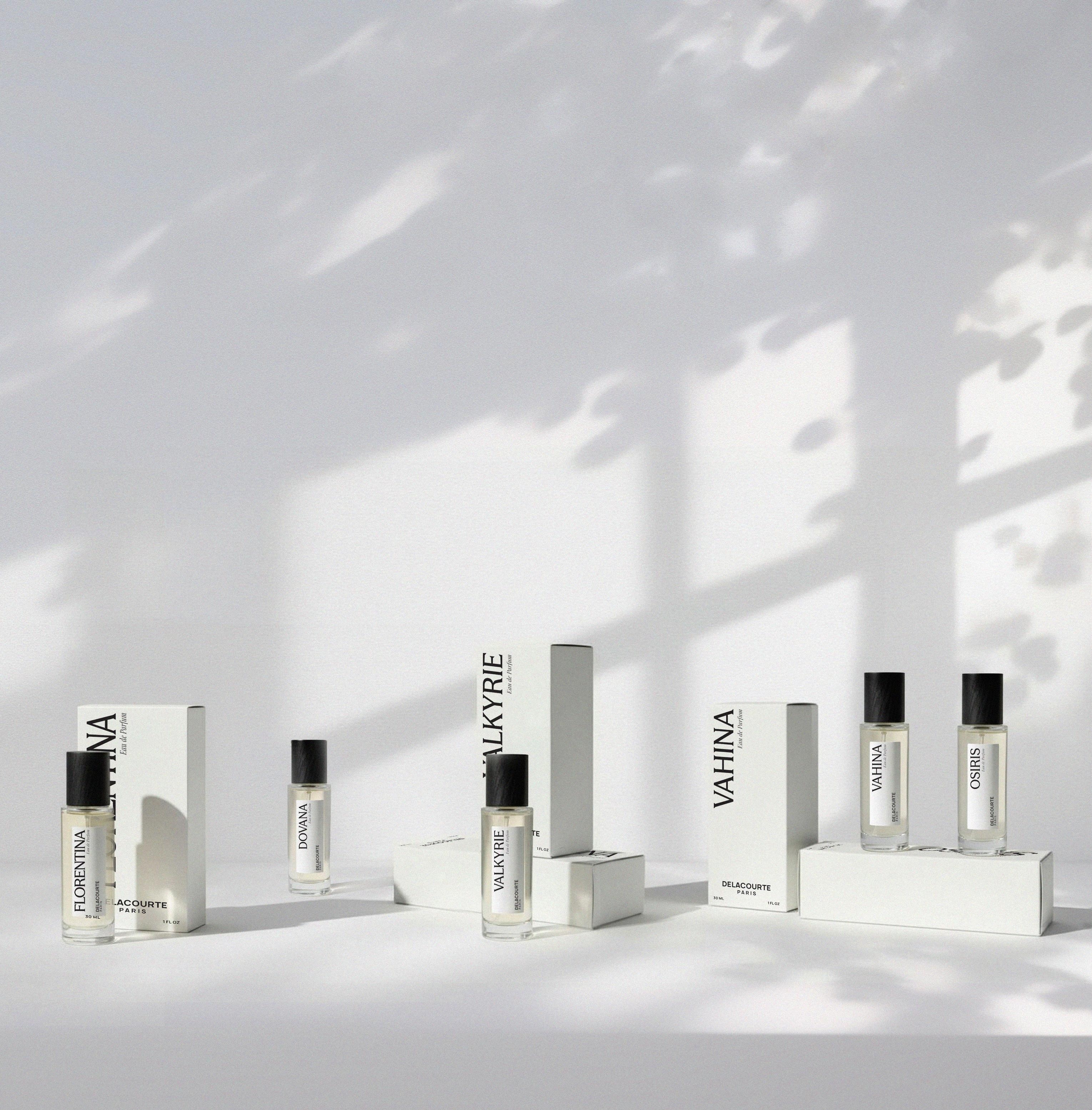
- The perfumery Evanescence where you can discover Delacourte Paris perfumes.