Eau de Cologne: Historie, přínosy a průvodce světem svěžích vůní
Eau de Cologne, původně používaná k hygieně a toaletě, je produkt, který přináší svěžost a čistotu. Eau de Cologne, předávaná z generace na generaci, tonizuje, dodává energii a vitalitu a proměňuje denní hygienu v okamžik potěšení a pohody. Tento produkt s nízkou koncentrací se štědře nanáší na celé tělo.
Historie Eau de Cologne
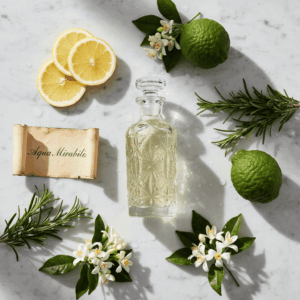
První Eau de Cologne se objevila v 18. století. Jean-Paul Feminis začal jako první komerčně produkovat parfémované vody, které se tehdy nazývaly „aqua admirabilis coloniae“ neboli „Eau Admirable de Cologne“.
Po své smrti svěřil své tajemství synovci Gian Maria Farinovi. Od té doby je originální Eau de Cologne stále vyráběna osmou generací potomků Gian Maria Fariny v Kolíně nad Rýnem.
Tento závratný úspěch podnecoval další firmy k výrobě této vůně. Tak v roce 1792 vznikla N° 4711 od Muelhense, další slavná Eau de Cologne, která se prodává dodnes.
Přínosy Eau de Cologne
V té době byla Eau de Cologne složena ze směsi různých citrusů rozpustěných v lihu (vysoko procentní alkohol). Hygienické podmínky té doby byly zdaleka neuspokojivé, a proto byl tento druh produktu považován za zázračnou vodu či všelék (podobně jako Eau de la Reine de Hongrie).
Její blahodarný charakter byl takový, že ke každému prodanému flakonu se přikládal malý leták podrobně popisující použití a účinky této „zázračné vody“. Tvrdilo se například, že starší osoby mohly spolknout 50 až 60 kapek Eau de Cologne smíchané s lihem, aby mimo jiné zpomalily příliš rychlý srdeční tep.
Rovněž se doporučovalo vdechovat tuto vůni několik minut k vyléčení bolestí hlavy.
V roce 1727 lékařská fakulta v Kolíně nad Rýnem došla až k uznání léčivných vlastností „Eau Admirable“ vyrobené Feminisem.
Eau de Cologne na císařském dvoře (Napoleon a Eugénie)
Napoleon Bonaparte, velký uživatel Eau de Cologne, si před odjezdem na tažení vkládal flakon do holinek. Říká se, že spotřeboval v průměru 43 litrů měsíčně, a to jak pro sebe, tak k navonnění svých komnat i svého koně.
Později vydal nařízení, kterým požadoval zveřejnění receptur všech léčiv určených k vnitřnímu užití. Aby bylo tajemství receptury ochráněno, byla Eau de Cologne od té doby určena pouze k vnějšímu použití a stala se produktem, jaký známe dnes.
Císařovna Eugénie trpěla hroznovými migrénami a požádala Pierra-François-Pascala Guerlaina, aby jí vytvořil Eau de Cologne s velkou dávkou svěžosti, ale zároveň velmi uklidňující. Uváděl to mistrovsky s použitím vysoké dávky petit grain, tedy esenciálního oleje z pomerančového květu (viz Květiny) s uklidňujícími vlastnostmi. Císařovna měla na jeho použití exkluzivní právo, než udělila Pierru-François-Pascalu Guerlainovi svolení k jeho komercializaci.
Produkt zaznamenal velký úspěch a parfumér obdržel od Napoleona III. titul Oficiálního dodavatele císařského dvora. Tento nádherný flakon zdobený včelami (69 včel symbolizujících Říši) se dnes prodává po celém světě. Pro Pierra-François-Pascala Guerlaina to byl počátek pověsti, která přetrvala pět generací parfumérů.
Složení a struktura Eau de Cologne
Tradiční struktura Eau de Cologne se skládá z tonizujících vrchních tónů: bergamot, citron, pomeranč, neroli, petit grain, mandarinka, grapefruit, někdy doplněných o aromáta, jako je verbenka a pomerančový květ.
- Klasická Eau de Cologne: Složena z 99 % přírodních surovin. Obsahuje 2 až 6 % koncentrátu v 60° alkoholu. Její citrusové tóny jsou zcela pršavé – poskytují intenzivní svěžost, ale nízkou výdrž.
- Moderní Eau de Cologne: Zachovává tradiční strukturu (citrusy, petit grain), ale využívá syntetické molekuly pro lepší výdrž a difúzi. Má také více základních tónů (koření, dřevo, pižma).
Eau Fraîche: Evoluce s dlouhou výdrží
Od druhé poloviny 20. století se začínají objevovat Eaux Fraîches, inspirované Eaux de Cologne. Vykazují mírně chyprové základní tóny (s mechy nebo pačuli), dřevité tóny (jako vetiver či cedr), rovněž květinové tóny a přídavek slavné „Hédione“ od firmy Firmenich.
Ta přispěla k prodloužení svěžích tónů nejprve ve vůni l’Eau Sauvage od Dior, poté l’Eau de Guerlain, l’Eau de Rochas atd. Tyto Eaux Fraîches se díky své mnohostrannější kompozici stávají výrazně vytrvalejšími a šířivějšími.
Moderní Eaux de Cologne a současné trendy
V současnosti jsme svědky příchodu ultramoderních Eaux de Cologne – transparentních, osvěžujících, s pižmovou vonnou stopou. Mezi nimi vyniká CK One od Calvina Kleina. Se svým charakterem Eau de Cologne se obohacuje o tonický akord, velmi specifický čajový tón převzatý z Eau de Toilette vůně „Thé de Bulgari“.
Další vůně stejného stylu, které stojí za zmínku, jsou například nádherná Eau de Cologne od Thierryho Muglera, Eaux de Cologne Dior či „Cologne d’Allure Homme Sport“, Eau de Cologne du Parfumeur nebo Cuvée Secrète od Guerlain. Existují rovněž velmi svěží vůně v řadě „Aquas Allegorias“.
Srovnání s ostatními koncentracemi
Parfémerie zahrnuje kromě Eau de Cologne i řadu dalších vůní s různým stupněm koncentrace, jako například:
- Parfémový extrakt: Má objem a přítomnost. Stačí několik kapek. Nanáší se přímo na pokožku s výdrží na celý den. Extrakty obecně obsahují 20 % až 40 % koncentrátu v 98° alkoholu.
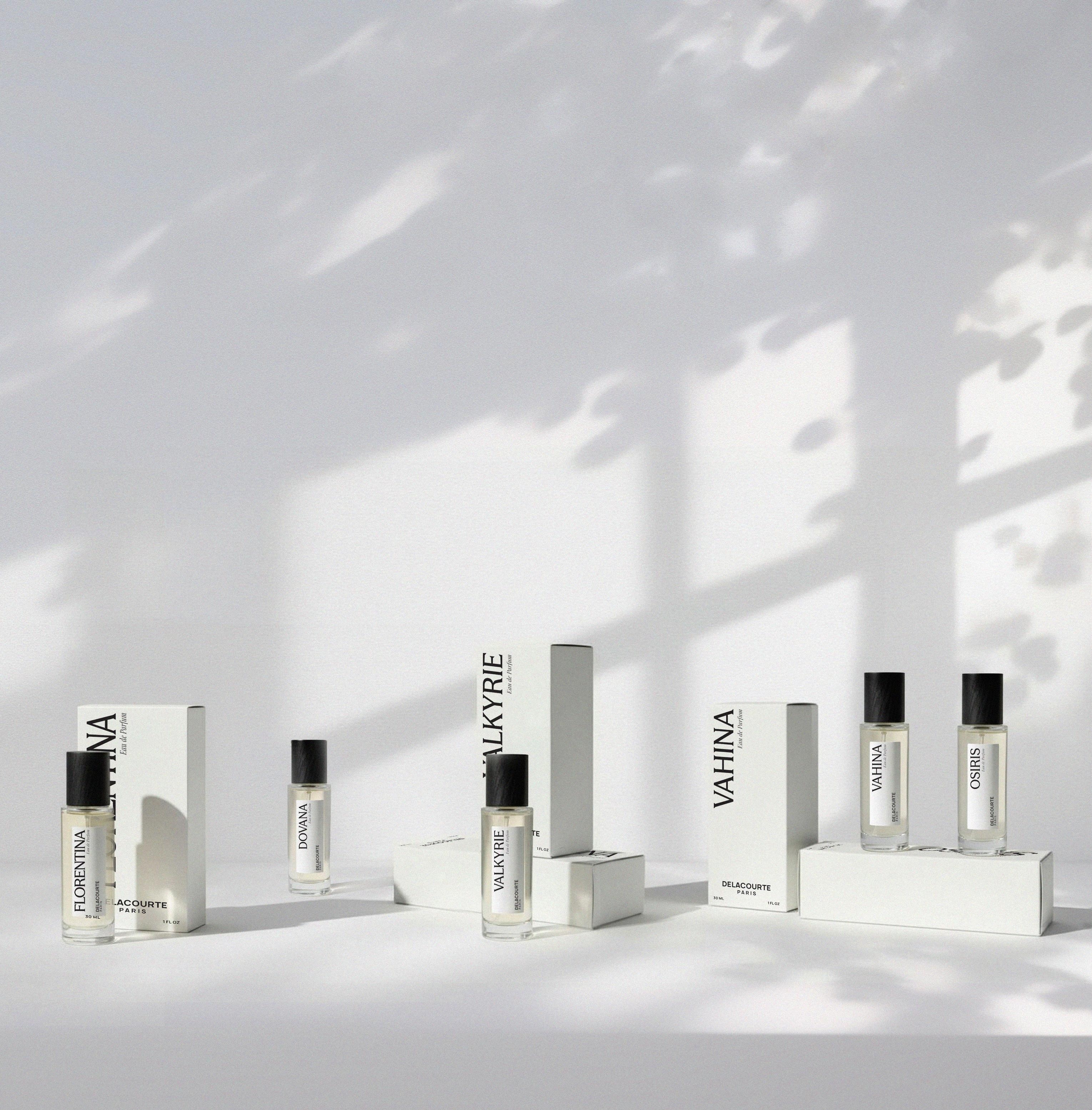
- Eau de Parfum: Nazývaný také „Esprit de Parfum“, představuje vynikající kompromis mezi vonnou stopou a výdrží. Obsahuje 7 % až 30 % koncentrátu v 90° alkoholu. Vůně Delacourte Paris jsou v koncentraci Eau de Parfum (15 % až 20 %).
- Eau de Toilette: Svěžejší a bohatší na rychle se šířící vrchní tóny, obsahuje 6 % až 20 % koncentrátu v 80° alkoholu.